
Introduction
As the popularity of CBD continues to rise, users are exploring different ways to enjoy its potential benefits. Among the most common methods are vaping CBD and using CBD oil sublingually (under the tongue). While both are effective in delivering cannabidiol into the body, there’s an ongoing debate about which one works faster—and why. If you’re looking for quick relief from anxiety, pain, or stress, understanding the speed and effectiveness of these two delivery methods can help you make an informed choice.
Understanding How CBD Enters the Body
Before diving into the comparison, it’s important to understand how CBD interacts with the human body. Cannabidiol (CBD) works primarily through the endocannabinoid system (ECS)—a vital regulatory network found throughout the brain and body. The ECS is composed of endocannabinoids, receptors (CB1 and CB2), and enzymes that help maintain balance in various physiological processes, including mood, pain perception, inflammation, sleep cycles, and immune response. When you consume CBD, it doesn’t bind directly to these receptors like THC does. Instead, it interacts indirectly, helping to enhance or regulate the ECS’s natural activity.
For CBD to exert its effects, it must first be absorbed into the bloodstream, where it can travel to tissues and interact with ECS receptors. This is where the method of consumption becomes crucial, as it determines how fast and how much CBD reaches your circulation. Some delivery methods, like vaping, allow for almost immediate absorption through the lungs, while others, like oils or edibles, must pass through the digestive system first, leading to a slower and sometimes less efficient onset of effects. Understanding this process is key to choosing the right form of CBD for your specific needs—whether you’re looking for fast-acting relief or longer-lasting results.
What Is CBD Vape?
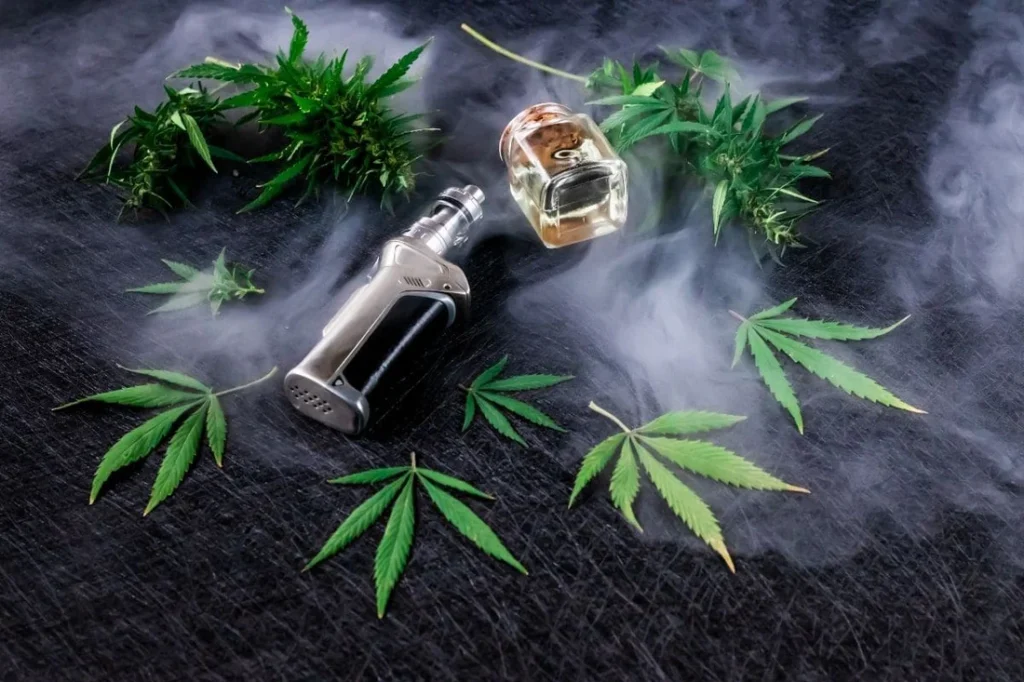
CBD vape involves inhaling vaporized cannabidiol through a vape pen or vaporizer. The vapor typically comes from a CBD-infused e-liquid or cartridge. Once inhaled, the vapor travels to the lungs, where CBD is absorbed through the alveoli and enters the bloodstream almost immediately. This method bypasses the digestive system entirely, making it one of the fastest ways to experience the effects of CBD.
What Is CBD Oil?
CBD oil is most often used sublingually, meaning a few drops are placed under the tongue and held there for 30 to 60 seconds before swallowing. This allows some of the CBD to absorb directly into the bloodstream through the mucous membranes in the mouth. The remaining oil is swallowed and processed by the digestive system. While sublingual use offers quicker absorption than edibles or capsules, it’s generally slower than vaping.
Which Works Faster: Vaping or Oil?
Vaping Offers the Fastest Onset
Vaping CBD is the clear winner when it comes to speed. Most users report feeling the effects within 1 to 5 minutes after inhalation. This makes it an ideal option for those seeking immediate relief from acute symptoms such as anxiety attacks, sudden pain, or panic.
Because the lungs have a large surface area and are filled with capillaries, inhaled substances can enter the bloodstream rapidly. This efficiency explains why medications like inhalers are commonly used for fast-acting treatments.
CBD Oil Takes a Bit Longer
CBD oil, when used sublingually, typically begins to work within 15 to 30 minutes. While this is still relatively fast compared to edibles or capsules—which may take an hour or more—the sublingual method involves a slower absorption rate than vaping. Some of the CBD is lost to digestion, and the full effects may take longer to be felt.
Duration of Effects: Does Speed Mean Shorter Relief?
It’s important to recognize that while a faster onset of effects can be highly beneficial in certain situations, it often comes with a trade-off—shorter duration. In the case of vaping CBD, the effects typically begin within minutes due to rapid absorption through the lungs. However, because the compound is metabolized quickly, those effects usually last between 1 to 3 hours. The exact duration can vary based on several factors, including an individual’s metabolism, body weight, tolerance level, and the potency or dose of the vape product used. This rapid but short-lived relief makes vaping ideal for addressing acute issues, such as sudden anxiety, panic attacks, or breakthrough pain.
On the other hand, CBD oil taken sublingually offers a more gradual onset, but it compensates by providing longer-lasting relief. When held under the tongue, CBD absorbs through the mucous membranes and slowly enters the bloodstream, with the remaining oil swallowed and digested. This dual absorption pathway contributes to a sustained release of CBD over time. As a result, users often experience effects that last 4 to 6 hours or more, depending on the dose and individual physiology. For those managing chronic conditions like persistent pain, anxiety, or sleep disturbances, this extended effect window makes CBD oil a more suitable and consistent option for daily use.
Understanding this balance between speed and longevity is key to choosing the right method of CBD delivery. Quick onset is valuable when relief is needed immediately, but for ongoing symptom management, a longer-lasting solution like CBD oil may offer greater overall benefits.
Bioavailability Matters
Another important factor to consider is bioavailability, or how much of the CBD actually reaches your bloodstream. Inhalation methods like vaping have a higher bioavailability—around 34% to 56%—compared to sublingual oils, which average 13% to 35%. This means more of the CBD you consume is actually used by your body when you vape it, making it not only faster but potentially more efficient per milligram.
Safety and Health Considerations
Vaping: Pros and Cons
While vaping offers rapid relief, it’s not without concerns. Some vape products may contain harmful additives, thinning agents like propylene glycol, or low-quality ingredients. Always look for lab-tested, additive-free CBD vape products to minimize health risks.
Additionally, long-term effects of inhaling vaporized substances are still being researched, and some health professionals advise caution—especially for individuals with respiratory issues.
CBD Oil: A Safer, More Versatile Option
CBD oil is widely regarded as a safer and more versatile option for long-term use, especially for individuals who are concerned about the potential risks associated with inhaling vaporized substances. Since it doesn’t require inhalation, CBD oil completely bypasses the respiratory system, making it a more suitable choice for people with asthma, sensitive lungs, or other respiratory conditions. This non-invasive delivery method is not only gentler on the body but also more appealing to those looking for a health-conscious and sustainable approach to incorporating CBD into their routine.
Another advantage of CBD oil is its flexibility and ease of use. It can be taken sublingually for efficient absorption, blended into smoothies, teas, or foods for added convenience, or even used topically in certain formulations. Its discreet nature also makes it ideal for people who want to use CBD throughout the day without drawing attention. Whether you’re adding a few drops under your tongue in the morning or mixing it into your evening herbal tea, CBD oil fits effortlessly into a variety of wellness routines and lifestyles.
That said, not all CBD oils are created equal. The market is flooded with products of varying quality, so it’s essential to choose wisely. A high-quality CBD oil should be third-party tested, with lab reports (Certificates of Analysis) readily available to verify potency, purity, and the absence of harmful substances like heavy metals, pesticides, and residual solvents. Additionally, it’s important to select oils made with clean carrier oils—such as MCT (medium-chain triglyceride) oil or organic hemp seed oil—which enhance absorption and contribute to the product’s overall nutritional value.
In short, while CBD oil may take a little longer to work compared to vaping, its safety profile, longevity of effects, and adaptability make it a strong contender for those seeking consistent and reliable CBD support over time.
Also Read: How to Choose the Right Vape Pen for CBD and THC Use
Use Cases: When to Choose Each
- Use CBD Vape if you need fast relief. This includes sudden anxiety, acute pain, migraines, or panic attacks. Vaping is also a favorite for experienced users who want quick onset without waiting.
- Use CBD Oil if you want longer-lasting effects. It’s better suited for chronic conditions like inflammation, daily stress, or sleep regulation. It’s also the preferred option for those avoiding inhalation methods.
Conclusion
In the battle between CBD vape vs. CBD oil, vaping wins in speed, delivering effects within minutes due to direct lung absorption and high bioavailability. However, CBD oil holds its own in terms of safety and duration, offering longer-lasting effects with fewer health concerns.
Ultimately, the right choice depends on your specific needs and lifestyle. If you prioritize quick relief, vaping is unmatched. But if you want a more sustained, lung-friendly solution, CBD oil remains a reliable favorite. Either way, always choose products from reputable brands that provide third-party lab results to ensure purity and potency.