
Introduction
CBD products are carefully formulated to deliver consistent quality, effectiveness, and therapeutic value. However, even the highest-quality CBD oil, gummies, capsules, or topicals can lose potency if they are not stored correctly. Many users don’t realize that improper storage is one of the main reasons CBD products degrade faster than expected.
Understanding how CBD reacts to light, heat, air, and moisture can help you protect your investment and ensure you’re getting the full benefits every time you use it. This guide explains how to store CBD products properly, why storage matters, and what mistakes to avoid if you want your CBD to stay fresh and effective.
Why Proper CBD Storage Matters
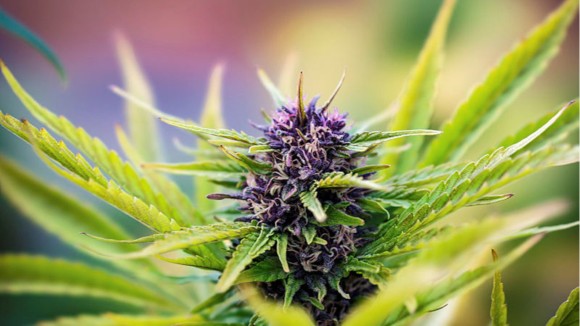
CBD, or cannabidiol, is a naturally occurring compound that is sensitive to environmental conditions. Over time, exposure to unfavorable elements can cause CBD to break down, reducing its potency and altering its effectiveness.
When CBD degrades, you may notice:
- Reduced effects at the same dosage
- Changes in taste, smell, or texture
- Shortened shelf life
- Inconsistent results
Proper storage helps slow down this degradation process, ensuring the CBD remains stable, effective, and safe to use until its expiration date.
Key Factors That Affect CBD Potency
Before learning how to store CBD products, it’s important to understand what causes them to lose potency in the first place.
1. Light Exposure
Direct sunlight and strong artificial light can break down cannabinoids over time. UV rays are especially damaging to CBD, which is why many products are packaged in dark or amber-colored containers.
Leaving CBD products near windows, on countertops, or in open shelves exposed to light can significantly reduce their effectiveness.
2. Heat and Temperature Fluctuations
High temperatures accelerate chemical degradation. CBD products exposed to heat may lose potency faster, and in some cases, the carrier oils can go rancid.
Frequent temperature changes—such as storing CBD in a car, kitchen, or near appliances—can also impact product stability.
3. Air and Oxygen
When CBD products are exposed to air, oxidation occurs. This process gradually breaks down cannabinoids and can alter the flavor and aroma of oils and tinctures.
Improperly sealed bottles or frequently opened containers increase oxygen exposure and reduce shelf life.
4. Moisture and Humidity
Moisture is particularly harmful to CBD edibles and capsules. Humid environments can cause gummies to melt or stick together and may compromise capsules or powders.
Excess moisture can also encourage microbial growth, making proper storage essential for safety.
Best Practices for Storing CBD Products
1. Store CBD in a Cool, Dark Place
The most important rule of CBD storage is to keep products away from light and heat. A cool, dark place such as a cupboard, drawer, or pantry is ideal.
Room temperature storage works well for most CBD products, as long as the area remains consistent and is not exposed to direct sunlight.
2. Keep CBD Containers Tightly Sealed
Always close CBD bottles and containers tightly after use. This reduces exposure to oxygen and helps preserve potency.
Avoid transferring CBD oil into different containers unless absolutely necessary. Original packaging is usually designed to protect the product from light and air.
3. Use Original Packaging Whenever Possible
CBD manufacturers often use packaging that helps maintain product stability, such as dark glass bottles or airtight containers. Keeping products in their original packaging also ensures that labels, dosage information, and expiration dates remain visible.
This is especially important for households with children or pets, where proper labeling supports safe storage.
4. Avoid Storing CBD in the Kitchen or Bathroom
Kitchens and bathrooms are common storage spots, but they are often the worst environments for CBD products. Heat from cooking, steam, and fluctuating humidity levels can accelerate degradation.
Choose a dry, stable environment instead, where temperature and moisture remain relatively constant.
How to Store Different Types of CBD Products
1. Storing CBD Oil and Tinctures
CBD oil should be stored upright in a cool, dark place with the cap securely fastened. Avoid leaving the dropper exposed to air for extended periods.
If stored properly, CBD oil typically maintains potency until its expiration date. Refrigeration is not required, but it can help extend shelf life in warmer climates as long as the oil is protected from light.
2. Storing CBD Gummies and Edibles
CBD gummies are more sensitive to heat and humidity than oils. Store them in a cool, dry place and keep the container tightly sealed.
In hot or humid climates, refrigeration may be helpful to prevent melting or sticking. If refrigerating gummies, ensure the container is airtight to prevent moisture absorption.
3. Storing CBD Capsules and Softgels
CBD capsules should be stored in a dry environment away from heat and light. Moisture is the biggest threat to capsules, as it can cause them to soften or degrade.
Avoid opening the container unnecessarily and always close the lid firmly after use.
4. Storing CBD Topicals
CBD creams, balms, and lotions should be stored at room temperature away from direct sunlight. Excessive heat can cause separation or changes in texture.
Always use clean hands or applicators to prevent contamination, and close the container immediately after use.
Should You Refrigerate CBD Products?
Refrigeration is not mandatory for most CBD products, but it can be beneficial in certain situations. In particularly hot or humid environments, refrigeration may help maintain stability.
However, not all products respond well to cold temperatures. Some oils may thicken when chilled, and condensation can introduce moisture if containers are not airtight.
If you choose to refrigerate CBD, ensure the product is sealed properly and kept away from light.
Common CBD Storage Mistakes to Avoid
Many users unknowingly reduce CBD potency through small but consistent storage errors.
Leaving CBD products exposed to sunlight, storing them in cars or near windows, failing to close containers properly, and using damp utensils are common mistakes.
Ignoring expiration dates is another issue. While CBD doesn’t suddenly become unsafe after expiration, potency and effectiveness may decline significantly.
How Long Do CBD Products Last?
Most CBD products come with a shelf life of one to two years, depending on formulation and storage conditions. Oils and capsules generally last longer than edibles or topicals.
Proper storage can help CBD products remain effective throughout their intended shelf life, while poor storage can shorten it considerably.
Also Read: How Long Does CBD Stay in Your System When You Vape It?
Final Thoughts
Knowing how to store CBD products properly is just as important as choosing a high-quality product in the first place. Light, heat, air, and moisture are the biggest enemies of CBD potency, but with mindful storage, these risks are easy to manage.
By keeping CBD products in cool, dark, and dry environments, sealing containers tightly, and avoiding common storage mistakes, you can ensure consistent effectiveness and better results over time.